
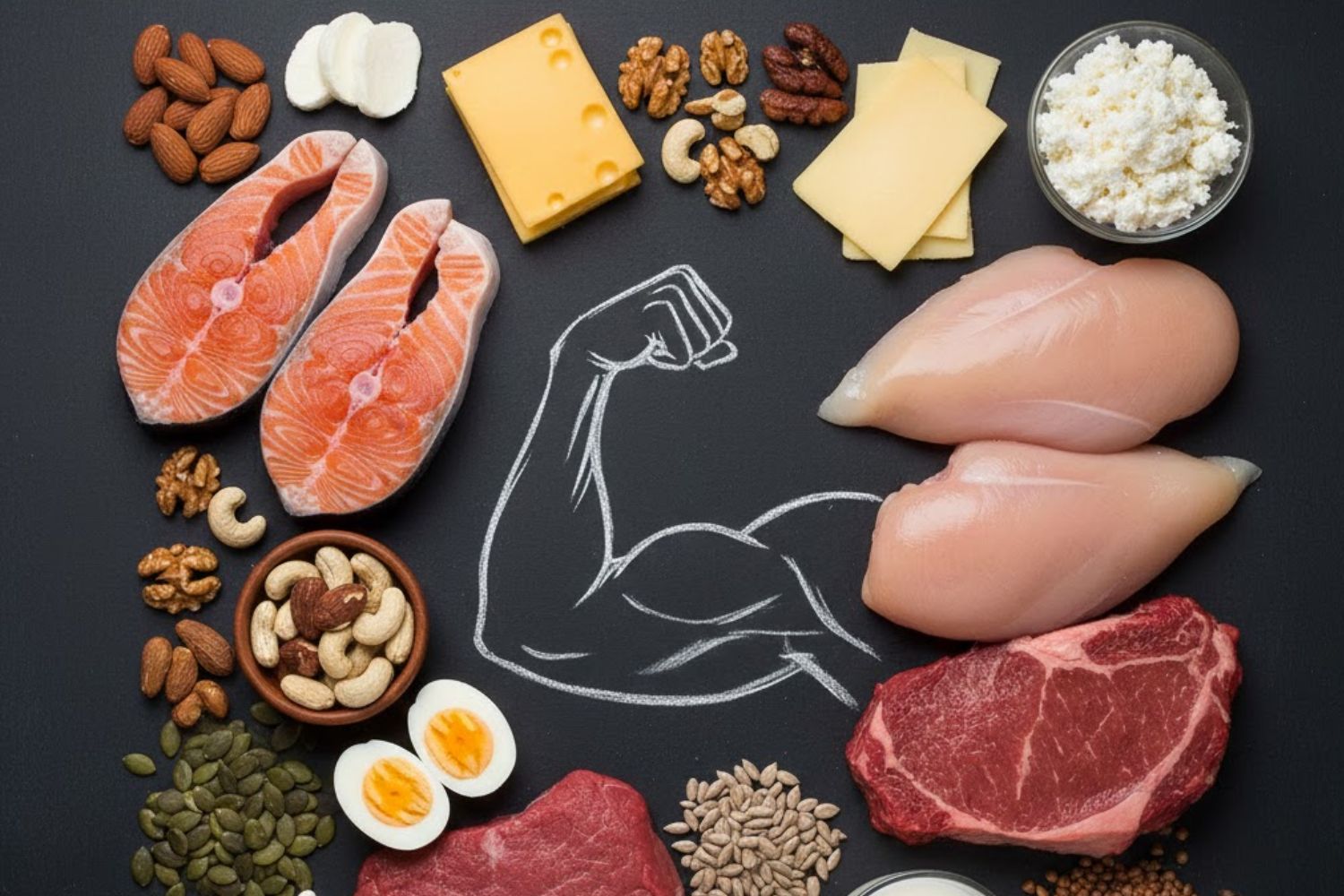
Protein and Muscle Mass: Why Everyone’s Talking About It
When it comes to fitness, weight management, and healthy aging, protein has become one of the most talked-about nutrients. From gym-goers sipping protein shakes to clinicians recommending higher protein diets, this macronutrient is everywhere. But why is protein so important, and how does it truly impact muscle mass, strength, and overall health?
Let’s break down the science behind protein, cut through the hype, and explain how much protein you really need—based on your body weight in pounds.
What Is Protein and Why Is It Important?
Protein is one of the three essential macronutrients—alongside carbohydrates and fats—that the body needs to function optimally. It’s made up of amino acids, which play a critical role in:
- Building and repairing muscle tissue
- Producing enzymes and hormones
- Supporting immune function
- Maintaining healthy skin, hair, and organs
When you consume protein, your body breaks it down into amino acids. These amino acids are then used to repair muscle fibers damaged during exercise and to build new muscle tissue—a process essential for strength, metabolism, and longevity.
The Link Between Protein Intake and Muscle Mass
Research consistently shows a strong connection between protein intake and muscle protein synthesis (MPS)—the process your body uses to build new muscle.
When adequate protein intake is combined with resistance training, the results include:
- Increased muscle mass and strength
- Faster muscle recovery
- Reduced muscle breakdown
- Better preservation of lean muscle during weight loss and aging
Key Takeaways:
- Muscle growth requires a positive protein balance, meaning synthesis must exceed breakdown
- Inadequate protein can slow recovery and limit muscle gains
- Protein helps protect muscle during calorie restriction and aging
How Much Protein Do You Really Need? (By Body Weight in Pounds)
The Recommended Dietary Allowance (RDA) for protein is 0.8 grams per kilogram of body weight, but this is the minimum to prevent deficiency, not to optimize muscle health.
Evidence-Based Protein Recommendations
For muscle maintenance, strength, and recovery, most experts recommend:
Protein Intake Per Pound of Body Weight
- 0.55–1.0 grams of protein per pound of body weight per day
General Guidelines:
- Sedentary adults: ~0.5–0.6 g per lb
- Active individuals: ~0.6–0.8 g per lb
- Strength training / muscle building: ~0.7–1.0 g per lb
- Calorie deficit or aging adults: closer to the higher end
Example:
A person weighing 154 lbs may need:
- 85–155 grams of protein per day, depending on activity level, goals, and age
Pro Tips:
- Spread protein intake evenly throughout the day
- Include a protein source at every meal
- Prioritize protein after resistance training
Best Protein Sources for Muscle Growth
Not all protein sources are equal. High-quality proteins contain essential amino acids needed for muscle repair and growth.
Animal-Based Protein Sources:
- Chicken breast
- Turkey
- Eggs
- Greek yogurt
- Cottage cheese
- Fish (salmon, tuna, halibut)
- Lean beef
Plant-Based Protein Sources:
- Lentils
- Chickpeas
- Tofu and tempeh
- Quinoa
- Edamame
- Nuts and seeds (chia, hemp, flax)
*Combining plant proteins (such as rice and beans) can provide a complete amino acid profile.
Protein supplements—such as whey, casein, or plant-based protein powders—can be convenient, especially post-workout, but should complement, not replace, whole foods.
Common Protein Myths—Debunked
1. More Protein Automatically Means More Muscle
Your body can only use a certain amount of protein for muscle building. Excess protein won’t magically create muscle and may be stored as fat if calories are excessive.
2. You Must Eat Protein Immediately After a Workout
While post-workout protein is helpful, total daily protein intake matters more than exact timing.
3. Plant-Based Diets Can’t Build Muscle
With adequate total protein and proper planning, plant-based diets can fully support muscle growth and strength.
Protein and Muscle Mass as You Age
As we get older, muscle mass naturally declines—a condition known as sarcopenia. Adequate protein intake becomes even more critical to:
- Preserve lean muscle
- Maintain mobility and balance
- Reduce fall and fracture risk
- Support independence and metabolic health
Studies suggest older adults may benefit from:
- 0.6–0.9 grams of protein per pound of body weight, combined with resistance training
Final Thoughts: Is the Protein Hype Justified?
Yes—the buzz around protein is backed by science. Protein plays a central role in muscle repair, growth, metabolism, weight(fat) loss, longevity and healthy aging. Whether your goal is building strength, losing weight, or maintaining muscle as you age, protein intake matters.
That said, balance is key. A healthy diet should also include:
- Complex carbohydrates
- Healthy fats
- Fiber-rich fruits and vegetables
Protein works best as part of a well-rounded, sustainable nutrition plan.
Need Personalized Nutrition or Fitness Guidance?
Protein needs aren’t one-size-fits-all. Your ideal intake depends on body weight, activity level, goals, and medical history.
At Bassi Clinic, we offer personalized nutrition and wellness plans designed to help you:
- Build or maintain muscle
- Improve metabolic health
- Age stronger and healthier
* Visit Bassi Clinic to get expert guidance and a plan tailored specifically to you.
