
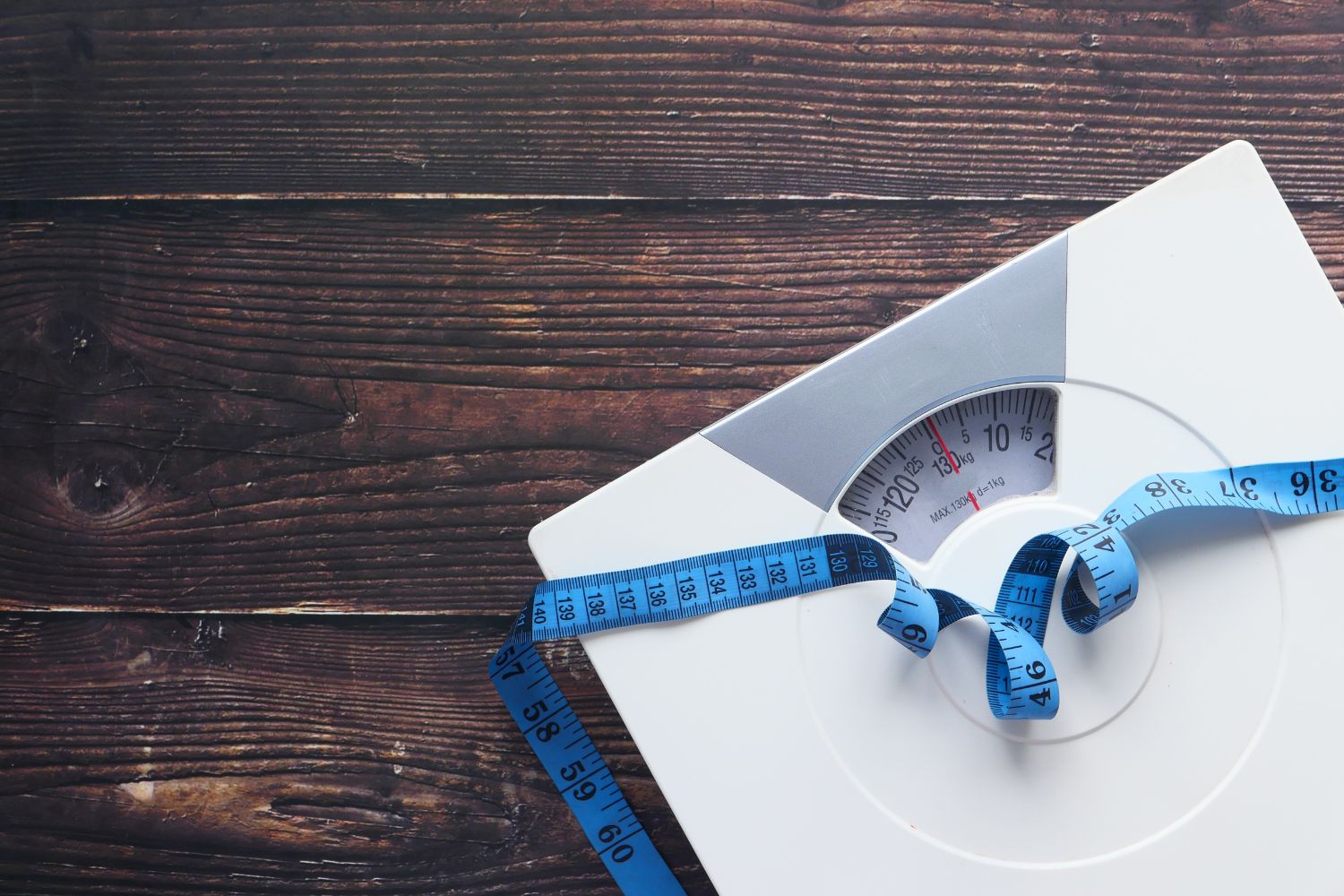
When It Comes to Health, the Scale Doesn’t Tell the Whole Story
We’ve all been there: stepping on the scale and feeling either elated or defeated based on the number that appears. But what if we told you that number doesn’t mean as much as you think?
The truth is, your body weight alone is not an accurate indicator of your overall health. That’s because the scale doesn’t distinguish between body fat, muscle mass, bone density, and water weight. It’s a one-dimensional snapshot of a much more complex picture.
This is where body composition analysis and the humble tape measure come in—and why they can be far more insightful than the scale.
What Is Body Composition?
Body composition refers to the breakdown of your body into four main components:
- Fat mass
- Lean body mass (muscles and organs)
- Bone mass
- Body water
Understanding these ratios helps determine how healthy your body truly is—not just how much it weighs. For example, two people might weigh the same but have very different body compositions. One may carry more fat, while the other may have more lean muscle. Their risk factors for conditions like heart disease, diabetes, or joint problems would be very different.
Knowing your body composition gives you the insight you need to make smarter, more personalized decisions about your health and fitness journey.
The Scale’s Biggest Flaw
The bathroom scale can’t tell the difference between fat gain and muscle gain, fat loss and water loss, or even daily fluctuations due to food intake, hormones, or digestion.
You might:
- Lose body fat but gain muscle—yet the scale doesn’t change
- Retain water after a salty meal and see the number jump up
- Weigh more after working out, even though you’re getting healthier
This creates a distorted relationship with the scale, making it easy to feel discouraged or misled, even when you’re making progress.
Why the Tape Measure Is a Better Tool
Measuring progress with a tape measure is often a more reliable and emotionally healthier method. It helps you track the actual changes in your body’s shape and structure—even when the scale isn’t moving.
Here’s why it works:
1. Focuses on Fat Loss, Not Just Weight Loss
Losing fat in specific areas like the waist, hips, arms, or thighs can be clearly seen in your measurements, even if your weight doesn’t drop much. This is especially useful when you’re engaging in strength training, which increases muscle mass while decreasing fat.
2. Highlights Body Reshaping
As you build muscle and burn fat, your body reshapes. You may become leaner, more toned, and fit better into clothes—even if you weigh the same. These changes are more visible in your inch measurements than on a scale.
3. Tracks Health-Related Fat Changes
Fat stored around your midsection (called visceral fat) is linked to chronic health issues. Measuring your waist circumference is a simple but powerful way to track improvements in your risk profile.
Muscle vs. Fat: Why It Matters
Let’s break this down:
- Muscle is denser than fat.
One pound of muscle takes up less space than one pound of fat. This is why someone can appear slimmer but weigh more than another person of the same height. - Muscle burns more calories.
The more lean muscle you have, the higher your basal metabolic rate (BMR). This means your body burns more calories even at rest, helping with long-term fat management. - Fat isn’t just about aesthetics.
Excess body fat, especially around the organs, is associated with increased risks of cardiovascular disease, insulin resistance, inflammation, and hormonal imbalance.
So while the scale might suggest nothing has changed, a shift in the muscle-to-fat ratio can significantly improve your health.
How to Measure Properly With a Tape Measure
To get the most accurate results, use a soft, flexible tape measure and follow these tips:
- Waist: Measure at the narrowest part of your torso, usually just above the belly button.
- Hips: Measure at the widest point across your buttocks.
- Thighs: Measure around the fullest part of your upper leg.
- Arms: Measure around the widest part of your upper arm, typically the bicep area.
Do it at the same time of day, ideally once a week or biweekly, and record your results to track trends over time.
Other Smart Ways to Track Progress
Besides tape measurements and body composition assessments, here are more meaningful methods to monitor your transformation:
- Photos: Progress pictures show what your eyes get used to missing.
- How clothes fit: A better fit is a real sign of change.
- Energy levels: Increased energy is often the first sign of improved health.
- Physical performance: Lifting heavier, running farther, or recovering faster are all signs of positive body changes.
Long-Term Health Over Short-Term Weight Fixation
Fixating on your weight can lead to unhealthy behaviors, such as crash dieting, overexercising, or emotional eating. These often cause muscle loss and water loss, not fat loss—and are unsustainable.
By contrast, focusing on improving body composition helps you:
- Build a stronger, leaner, and healthier body
- Make better nutrition and fitness choices
- Maintain results long term
Conclusion
At the end of the day, the number on the scale doesn’t define you. It certainly doesn’t define your health.
Body composition tells the true story—how much of your body is fat vs. muscle, how your body is changing, and how those changes are impacting your health, performance, and confidence.
A tape measure may seem like a simple tool, but in the right hands and with the right mindset, it can become one of the most effective ways to track your transformation.
Ready to stop stressing over the scale and start seeing real results?
It’s time to understand your body on a deeper level.
Bassi Clinic offers personalized assessments, expert-guided health plans, and support to help you transform from the inside out. Whether your goal is fat loss, muscle gain, improved energy, or just a better understanding of your body—we’re here for you.
Book your consultation today. Let’s measure what really matters.
