
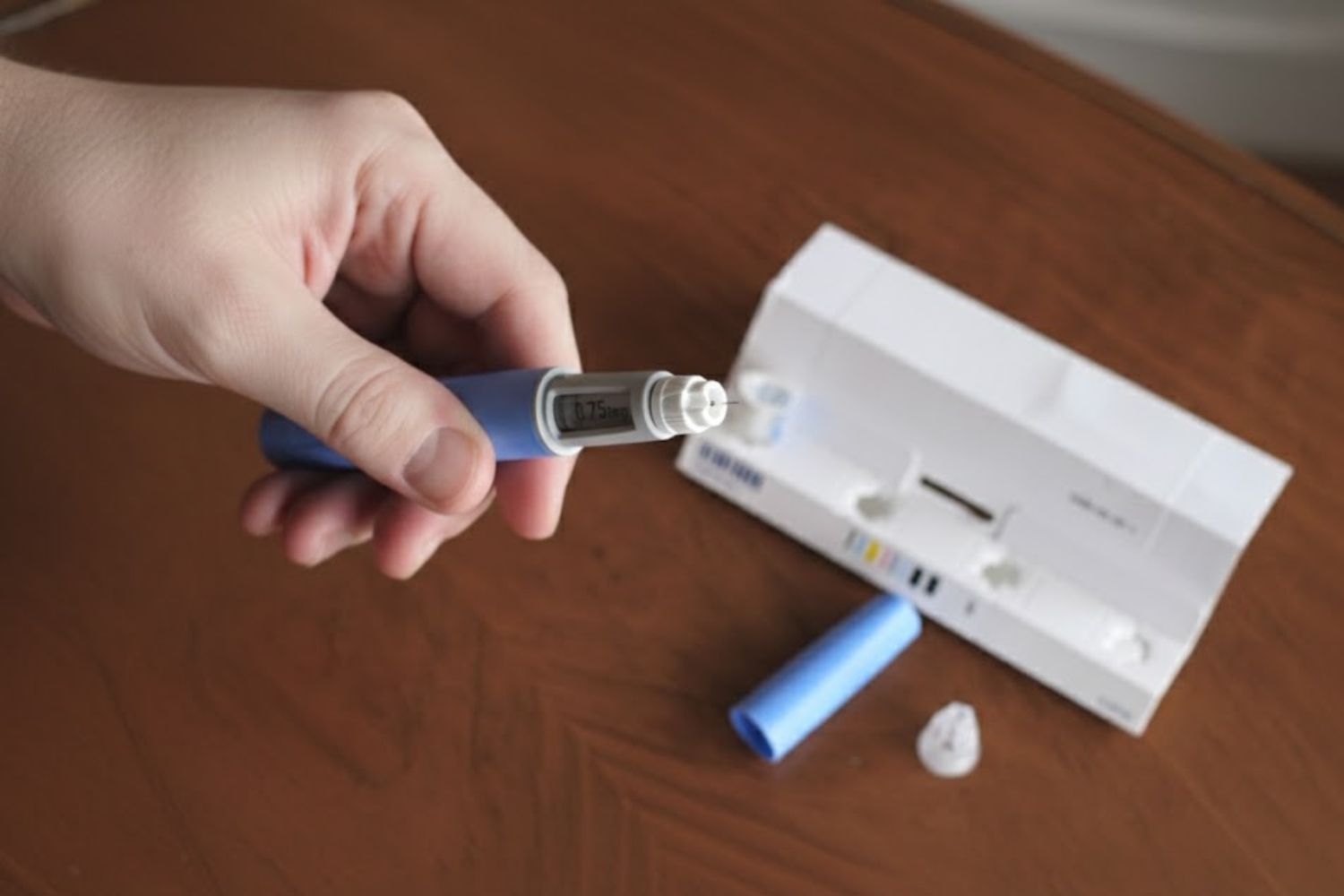
GLP-1 and GIP Medications: More Than Just Weight Loss
In today’s health and wellness landscape, few medications have generated as much attention as GLP-1 receptor agonists and the newer dual GLP-1/GIP therapies. While many people associate these medications with weight loss drugs like Ozempic®, Wegovy®, and Zepbound®, their impact goes far beyond the scale.
These therapies are transforming how clinicians manage obesity, type 2 diabetes, cardiovascular disease, fatty liver disease, obstructive sleep apnea, and other chronic metabolic conditions.
This article explores how GLP-1 and GIP-based medications work, their benefits beyond weight loss, and why they represent one of the most important advances in modern metabolic medicine.
What Are GLP-1 and GIP Medications?
GLP-1 (Glucagon-Like Peptide-1)
GLP-1 is a naturally occurring hormone that helps regulate:
- Appetite and satiety
- Insulin secretion
- Blood sugar control
- Gastric emptying
GLP-1 receptor agonists mimic this hormone, enhancing its effects to improve metabolic health.
GIP (Glucose-Dependent Insulinotropic Polypeptide)
GIP is another incretin hormone that:
- Enhances insulin secretion
- Improves insulin sensitivity
- Supports fat metabolism
- Works synergistically with GLP-1
Dual GLP-1/GIP Therapy
Newer medications combine both GLP-1 and GIP activity, resulting in:
- Greater weight loss
- Improved metabolic efficiency
- Enhanced insulin sensitivity
- Broader systemic benefits
Common GLP-1 and GLP-1/GIP Medications
GLP-1 Receptor Agonists:
- Ozempic® (semaglutide), FDA approved for type 2 diabetes mellitus
- Wegovy® (semaglutide – higher dose), FDA approved for Obesity, fatty liver and established cardiovascular disease
- Trulicity® (dulaglutide)
- Victoza® (liraglutide)
Dual GLP-1 / GIP Receptor Agonist:
- Tirzepatide
- Mounjaro® (type 2 diabetes), FDA approved for type 2 diabetes mellitus
- Zepbound® (chronic weight management), FDA approved for Obesity, Obstructive sleep apnea.
Tirzepatide represents a major advancement due to its dual-hormone mechanism, offering benefits beyond traditional GLP-1 therapy.
Blood Sugar Control and Insulin Sensitivity
GLP-1 and GLP-1/GIP medications were originally developed for type 2 diabetes, and they remain highly effective for glycemic control.
They work by:
- Stimulating insulin release only when blood sugar is elevated
- Suppressing glucagon (a hormone that raises blood sugar)
- Slowing digestion to reduce post-meal glucose spikes
- Improving insulin sensitivity (especially with GIP activity)
The Result:
- Improved A1C levels
- Fewer blood sugar fluctuations
- Reduced risk of diabetes-related complications
Cardiovascular Benefits
Large clinical trials show that GLP-1 receptor agonists—and emerging data on dual GLP-1/GIP therapies—can reduce the risk of major cardiovascular events, particularly in patients with diabetes or obesity.
Benefits may include:
- Lower blood pressure
- Improved cholesterol and triglyceride levels
- Reduced systemic inflammation
These medications are now viewed as cardiometabolic therapies, not just diabetes or weight loss drugs.
Appetite Regulation, Satiety, and Craving Control
GLP-1 and GIP-based medications act on appetite centers in the brain to:
- Increase feelings of fullness
- Reduce hunger and food cravings
- Support sustainable calorie reduction
Patients often report eating less without feeling deprived, which contributes to long-term weight loss success.
Dual GLP-1/GIP therapy (tirzepatide) appears to enhance these effects even further.
Fatty Liver Disease (NAFLD / MASLD)
Non-alcoholic fatty liver disease (now often referred to as MASLD) is closely linked to insulin resistance, obesity, and metabolic syndrome.
Research shows that GLP-1 and GLP-1/GIP therapies may:
- Reduce liver fat accumulation
- Improve liver enzymes
- Decrease inflammation and insulin resistance
- Slow progression toward fibrosis
While these medications are not yet FDA-approved specifically for fatty liver disease, they are in advanced clinical trials, and many specialists already consider them a promising therapeutic option when metabolic dysfunction is present.
Obstructive Sleep Apnea (OSA)
Obstructive sleep apnea is strongly associated with obesity and metabolic dysfunction.
Tirzepatide (Zepbound®) has recently received FDA approval for the treatment of obstructive sleep apnea in adults with obesity, marking a major shift in how OSA can be managed.
Benefits include:
- Significant weight reduction
- Decreased upper airway obstruction
- Improved sleep quality and daytime alertness
- Reduced cardiometabolic risk associated with untreated OSA
This approval highlights that metabolic therapies can directly improve conditions once treated only with devices like CPAP.
Kidney Protection and Renal Health
GLP-1–based therapies may also support kidney health by:
- Reducing albuminuria (protein in the urine)
- Improving kidney function markers
- Lowering blood pressure and inflammation
These effects are especially important for patients with diabetes or metabolic syndrome who are at risk for chronic kidney disease.
Mental and Cognitive Health
Emerging research suggests GLP-1 and GIP pathways may also support brain health.
Potential benefits include:
- Improved mood stability
- Reduced anxiety linked to blood sugar fluctuations
- Improved sleep quality
- Ongoing research into neuroprotective effects in Alzheimer’s and Parkinson’s disease
Hormonal Balance and PCOS
In women with polycystic ovary syndrome (PCOS), GLP-1 and GLP-1/GIP therapies may:
- Improve insulin resistance
- Support sustainable weight loss
- Help regulate menstrual cycles
- Improve fertility outcomes in some patients
A Whole-Body, Metabolic Approach to Health
What makes GLP-1 and GIP therapies revolutionary is their multi-system impact.
Benefits May Include:
- Improved blood sugar control
- Sustainable weight loss
- Cardiovascular protection
- Liver and kidney support
- Appetite and hormonal regulation
- Improved sleep and metabolic health
Rather than treating symptoms in isolation, these medications address the root metabolic drivers of chronic disease.
Are GLP-1 or GLP-1/GIP Medications Right for You?
These medications may be appropriate for individuals with:
- Type 2 diabetes
- Obesity or overweight with metabolic conditions
- Fatty liver disease linked to insulin resistance
- Obstructive sleep apnea associated with obesity
They are not one-size-fits-all and should always be prescribed and monitored by a qualified medical provider.
The Bottom Line: More Than Just Weight Loss
GLP-1 and GIP-based medications are redefining modern medicine. While weight loss brought them into the spotlight, their true power lies in their ability to improve metabolic health, organ function, sleep quality, and long-term disease risk.
They represent a science-backed, comprehensive approach to chronic disease management.
Need Personalized Guidance on GLP-1 or Tirzepatide Therapy?
At Bassi Clinic, we take a personalized, medically supervised approach to GLP-1 and GLP-1/GIP therapies. Our team evaluates your metabolic health, medical history, and goals to determine the safest and most effective treatment plan for you.
* Visit Bassi Clinic to schedule a consultation and explore whether GLP-1 or tirzepatide therapy is right for you.
